St Paul’s met for the third of the Lenten series on Liturgy today: a ludicrously quick look at the early development of the eucharist, followed by a consideration of the Liturgy of the Word (used loosely to mean everything before the offertory).
Simple, right?
But along the way, questions arose that took us into the history of baptismal practice, the development of priests (as opposed to bishops and deacons), Reformation and 20th Century liturgical change, and a discussion on the word ‘debts’ as it related both to parables and to various theories of atonement.
There are many people who would claim that priests don’t need to have theology degrees (though bizarrely, they are often the same people who tell you that lay people and ordinands need to get qualifications from Bangor). I am sure not all priests need degrees. But I fear more need them than are getting them.
And I really can’t see how one can run Lent courses without.
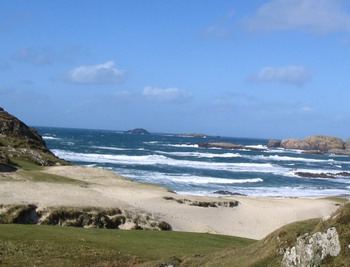
 On Tuesday, I set off for Iona — not, as you might think, in eager anticipation and delight, but with a ‘to-do’ list a mile long, increasing anxiety at the speed with which Holy Week was approaching, and impatience at the thought of having to spend another week with the clergy of Argyll (having spent three days at synod last week.) But I must repent of my grumpiness. There is much to be said for clergy being required to spend four days surrounded by beauty (and each other) despite other claims on our time. I suspect there will be more to say about the time on Iona, but for now, a self-indulgent offering of photographs.